

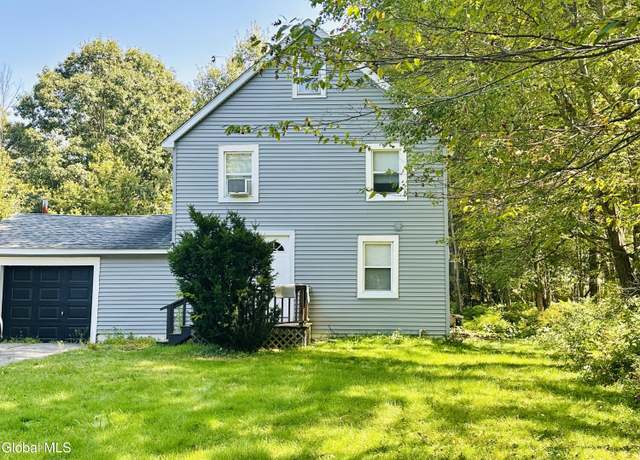
Is Spring the Best Time to Sell in Upstate NY?
Summary
- Spring brings more buyers and more competing listings in the Capital Region.
- Winter scarcity can improve leverage for well-prepped homes in Troy and Albany.
- School calendars, job cycles, and weather shape demand differently by neighborhood.
- Carrying costs can erase a hoped-for spring premium if you wait too long.
- Best timing depends on your property type, price point, and personal deadlines.
Introduction
We work across Troy, Albany, and the broader Capital Region, guiding sellers through the practical tradeoffs of when to list. The seasonal story here is not the same as in warmer markets, and national headlines often blur the details that matter on our streets.
McDonald Real Estate Co is a local brokerage. We lean on transaction patterns we’ve observed in neighborhoods like Troy’s Washington Park and Albany’s Center Square, as well as commuter suburbs from Colonie to East Greenbush. In our experience, spring can be productive, but it is not automatic. Your outcome depends on competition, weather windows, the school and job calendar, and property type. As a realtor in troy new york, we’ve seen strong sales in every season when the approach fits the moment.
Why timing the sale matters specifically in Upstate NY and the Capital Region
Timing in Upstate New York is about constraints and concentration. Our winters are real. So are parking bans, snow storage, and salt-streaked streets. Then, around late March to May, listings surge. Buyer activity also rises, but that surge can compress attention; your home competes for showings and mindshare all at once. In summer, some buyers shift focus to travel. In late August, state workers reposition and academic timelines nudge moves. By November, snow risk and early sunsets cut showing appeal, but inventory thins and serious buyers stand out.
Those mechanics affect time on market, pricing leverage, and negotiation style. A well-prepped winter listing on a plowed block in Albany or a rowhouse near a walkable Troy corridor can outperform a similar spring listing that gets buried in a wave of comparables.
Common timing misconceptions
“Spring is always best” assumption
Spring has advantages: softer ground for staging, better light, and a bigger buyer pool. But more sellers list then, too. We’ve watched excellent spring listings in Albany’s Pine Hills get less attention than expected because five near-substitutes launched the same week. If your property has direct comps, spring may dilute your position.
For a deeper critique of the spring myth in our region, see our analysis on what local real estate companies won’t tell you about spring.
Luxury bias in seasonality (high-end vs. starter homes)
Higher-end buyers often schedule around academic calendars and relocation cycles. That can make late spring through early summer productive for homes in Albany’s New Scotland or larger Colonies with deep yards. Entry-level or investor-driven properties in Troy, Schenectady, or Cohoes can perform year-round if they are turn-key, priced cleanly, and easy to show. We’ve seen January and February produce decisive offers on two-family and small single-family homes because investors and first-time buyers face fewer bidding wars then.
Buyer imagination myths about off-season listings
We often hear that winter buyers cannot imagine a summer garden or a sunny porch. In practice, motivated buyers in December to February tend to be more decisive and less distracted. Good lighting, recent photos from warmer months, and a shovel-and-salt routine offset winter’s curb appeal limits. Scarcity helps. An Albany bungalow that would face eight spring comps may face one or none in February.
What actually changes outcomes by season
Inventory and buyer competition patterns
| Season | Inventory Pattern | Buyer Activity | Net Effect in Troy/Albany |
|---|---|---|---|
| Late Winter (Jan–Feb) | Very low | Low to moderate, more serious | Less competition; faster decisions for well-prepped homes |
| Spring (Mar–May) | Sharp increase | High, but more options | More showings; also more direct comps; pricing precision matters |
| Summer (Jun–Jul) | Moderate | Moderate; travel reduces intensity | Steady traffic; outdoor features show well |
| Late Summer–Early Fall (Aug–Sep) | Moderate to low | Renewed interest from job moves, school shifts | Focused buyer pool; quick timelines |
| Late Fall (Oct–Nov) | Declining | Practical buyers | Less browsing; cleaner negotiations |
| Early Winter (Dec) | Minimal | Low, but time-sensitive | Few listings; leverage if home is show-ready |
Weather realities
Snowbanks, freeze-thaw cycles, and “mud season” shape curb appeal and parking. In Troy’s hills, overnight snow plus alternate-side rules can complicate access. Early sunsets from November through January limit showing windows; we often front-load weekend daytime blocks. Spring brings better light but also lingering mud and patchy lawns until late April. Summer shows yards and porches well but can reveal HVAC noise or heat retention in older stock if not managed.
School calendar and job-cycle effects on demand
Albany’s state workforce and regional healthcare anchors influence timing. Transfer decisions and academic calendars push some moves into late spring and late summer. Family buyers prefer to close by mid-summer to settle by September. Investors and downsizers are less calendar-bound and often transact in winter when competition is lighter.
Photography and marketing tradeoffs by month
Snow-free, leaf-out timing matters for photos. We plan shoots around late morning light for east-facing Troy rowhouses or golden-hour angles for west-facing Albany colonials. In winter, we sometimes photograph interiors first and drop in stored summer exteriors if they exist, with clear labeling. In spring, we avoid muddy lawn days and overcast sessions that flatten older brick. These choices improve click-through and showing conversion regardless of season.
Cost vs. return decisions tied to timing
Waiting for spring can work, but it is not free. Carrying costs add up, and interest-rate moves or a competitive surge can offset hoped-for premiums. Here is a simple framing using example numbers many Albany and Troy homeowners recognize. Your figures will differ, but the mechanics are the same.
| Cost/Benefit | Monthly Example | If You Wait 3 Months | Notes |
|---|---|---|---|
| Mortgage + Taxes + Insurance | $2,200 | $6,600 | Also count utilities and snow/lawn services |
| Utilities/Winter Services | $300 | $900 | Heat, electric, plowing, salt |
| Potential Spring Price Lift | — | $5,000–$10,000 | Varies by comps; not guaranteed |
| Net Effect Range | — | −$1,500 to +$2,500 | Outcome depends on rates, inventory, and your prep |
Minor pre-list repairs and landscaping windows also matter. In March, exterior paint and masonry touch-ups are often not feasible. By May, you can handle beds, edges, and exterior cleaning. If your home relies on outdoor features to differentiate (porches, patios, gardens), spring helps the photos. If your strengths are mechanicals, layout, and parking, winter timing can work.
When waiting hurts more than it helps: if mortgage rates rise, buyer payments stretch; if three direct comps plan spring launches, the landscape gets tougher; if your own relocation is fixed, carrying an empty house for months usually strains net proceeds.
Neighborhood-level nuance: Troy, Albany, and nearby suburbs
Troy
Walkable neighborhoods and historic stock define much of Troy’s appeal. Buyers value proximity to downtown, RPI, and riverfront amenities. Winter listings can succeed if snow removal is prompt and access is predictable on narrow blocks. Exposed brick and tall windows photograph well even in low light. Spring draws more first-time buyers and Boston/Saratoga corridor commuters who want summer in place. As a second reference point, we operate as a realtor in troy new york and watch how Saturday farmer’s market traffic correlates with open-house turnout from April to October.
Albany
State employment and healthcare create predictable August and spring movement. Center Square and New Scotland show well in late spring when trees leaf out. Pine Hills and Buckingham Lake see steady student-adjacent interest that is less seasonal. Winter buyers here tend to be targeted and schedule-driven; they respond to clear disclosures and strong interior photography.
Capital Region suburbs
In towns like Colonie, Guilderland, Bethlehem, and East Greenbush, school district preferences and garage/yard features weigh heavily. Spring and early summer display outdoor space best, but late summer can be effective for families aligning with the school year. Newer construction corridors maintain steadier demand across seasons; the competition picture drives pricing more than the month on the calendar.
A step-by-step listing timing checklist for Upstate NY sellers
- Define your constraint: price max vs. timeline certainty. Your answer shapes season choice.
- Map direct comps: identify 3–5 close substitutes likely to list in your window.
- Audit weather constraints: snow storage, roof access, driveway slope, street parking rules.
- Decide on photos: bank spring/summer exteriors if you might sell off-season.
- Prioritize repairs by season: interior first in winter; exterior paint, gutters, and landscaping in late spring.
- Model carrying costs vs. potential premium: use your exact numbers, not averages.
- Plan showings for light and access: align with parking rules and daylight hours.
- Stage for the season: winter mats, boot trays, and warm lighting; spring declutter, exterior wash, mulch.
- Time the launch: avoid listing the same week as multiple direct comps; consider mid-week debuts for weekend momentum.
- Monitor rates and local job news: a rate bump or employer announcement can shift buyer behavior quickly.
How timing affects time on market, pricing leverage, and local negotiation behavior
In our files, the fastest offers tend to appear when either scarcity or novelty is working for you. Scarcity favors January–February launches with tight pricing and clear prep. Novelty favors well-presented spring listings that stand apart on photos and condition. In summer, negotiation often centers on inspection items exposed by heat (HVAC capacity, attic ventilation). In winter, buyers weigh roof age, ice dams, and draft control.
Scenario breakdowns
- Relocating on a deadline: If you must move by June, a late winter or early spring launch can reduce overlap costs, even if the top-line price is slightly lower than a May peak.
- Maximizing price with flexible timing: If you can hold and your home shines outdoors, late April to mid-May can help—unless three neighbors plan similar listings. If so, consider late February or late August.
- Stale listing risk: Launching in spring and missing the first two weeks of strong activity can push you into price cuts by June, when buyer attention drifts to summer plans.
When a non-spring sale makes more sense
We’ve closed quiet December and February sales at firm numbers because the right buyer had limited choices. Homes with strong interiors, off-street parking, and updated systems do well off-season. Investor-ready two-families also track to winter because financing timelines and tenant placement calendars differ from school-year preferences.
If you are weighing a cold-weather launch, our Upstate NY winter selling playbook goes deeper into photography, access, and snow logistics that matter in Albany and Troy.
FAQs
Is spring truly the best time to sell in Troy and Albany?
Often, but not always. Spring brings more buyers and more competition. If your closest comps are also planning to list then, you may do as well or better in late winter or late summer. Property type and neighborhood matter more than the calendar alone.
How do I handle curb appeal in winter?
Prioritize safe access, clean entries, and warm interior lighting. Use clear mats, boot trays, and shoveled walkways. If you have strong summer photos from prior years, we can reference them for context while keeping current images up front.
What about buyers searching “best time to sell a house near me”?
We interpret that as a local-intent question. In Troy, Albany, and surrounding suburbs, the answer depends on your direct comps, street conditions, and buyer pool—family, investor, or relocation-driven. The neighborhood’s showing logistics and parking rules during storms can matter more than the month.
Does waiting for spring usually pay off?
Sometimes. If your home is yard-driven, well-landscaped, and has few direct competitors, late April or May can help. If waiting adds months of carrying costs and invites new competition, the net effect can be neutral or negative.
Should I stage differently by season?
Yes. Winter: emphasize light, warmth, and entry cleanliness. Spring: exterior wash, mulch, early plantings, and window cleaning. In summer, manage AC noise and show shaded outdoor areas.
Conclusion
Spring is productive in Upstate New York, but not a guarantee. In our market, results come from aligning launch timing with real constraints: weather, comps, calendars, and carrying costs. Scarcity can be as powerful as seasonality. A clean, well-photographed home with predictable access will sell in any month when it stands apart from active competition.
Across Troy, Albany, and the Capital Region, we’ve seen strong winter outcomes, steady summer trades, and decisive late-August moves. The right decision comes from mapping your goals against the specific dynamics on your block, not from assuming the calendar decides for you.


Your point of view caught my eye and was very interesting. Thanks. I have a question for you.
Thank you for your sharing. I am worried that I lack creative ideas. It is your article that makes me full of hope. Thank you. But, I have a question, can you help me? https://accounts.binance.info/register-person?ref=IXBIAFVY
I don’t think the title of your article matches the content lol. Just kidding, mainly because I had some doubts after reading the article.
Thank you for your sharing. I am worried that I lack creative ideas. It is your article that makes me full of hope. Thank you. But, I have a question, can you help me?
Your article helped me a lot, is there any more related content? Thanks! https://accounts.binance.com/si-LK/register?ref=LBF8F65G
Your article helped me a lot, is there any more related content? Thanks!
Thank you for your sharing. I am worried that I lack creative ideas. It is your article that makes me full of hope. Thank you. But, I have a question, can you help me?
Thank you for your sharing. I am worried that I lack creative ideas. It is your article that makes me full of hope. Thank you. But, I have a question, can you help me? https://accounts.binance.com/it/register-person?ref=P9L9FQKY
Can you be more specific about the content of your article? After reading it, I still have some doubts. Hope you can help me.
Thanks for sharing. I read many of your blog posts, cool, your blog is very good. https://accounts.binance.com/register-person?ref=IXBIAFVY