



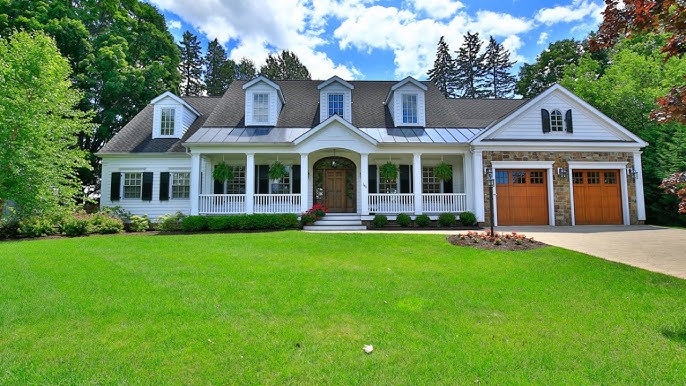

Is Buying a Vacation Rental in Upstate NY a Smart Investment?
Short answer: yes — for the right property, in the right town, with the right plan. Over the past few years, traveler demand has surged across the Adirondacks, Catskills, Hudson Valley, Saratoga, and the Finger Lakes. That demand, paired with limited supply in the most desirable hamlets and lake communities, has created real opportunities for investors who know how to underwrite, operate, and market vacation rentals professionally. This guide distills what savvy investors need to know, including numbers, towns to watch, and pitfalls to avoid. It also shares insights from regional expert Colin McDonald and the team at McDonald Real Estate, who help first-time and out-of-area buyers make confident, cash-flow-focused decisions.
For an even deeper foundation before choosing a market, you may also want to review this guide on investing in Upstate NY real estate, which outlines broader investment principles and regional trends that pair perfectly with a vacation-rental strategy.
What Is Vacation Rental Investing, Exactly?
Q: What defines a vacation rental in Upstate NY?
A vacation rental is a fully furnished property — often a house, cabin, condo, or small multi-unit — offered for short-term stays (typically two to seven nights) on platforms like Airbnb/VRBO or via direct booking. In Upstate NY, popular formats include lake houses, ski chalets, village cottages, and walkable downtown apartments near dining and arts.
Q: Why are investors choosing short-term rentals (STR) versus long-term rentals?
- Higher potential gross income per bedroom in peak seasons.
- Flexibility to use the property personally in off-peak periods.
- Tax advantages available to active STR operators (consult a CPA).
- Ability to adapt nightly rates to demand, events, and seasons.
Why Upstate NY Is Gaining Popularity
Q: What’s driving demand?
- Drive-to trips from NYC, Boston, Philly, and Toronto.
- Four-season outdoor appeal: skiing, hiking, lakes, foliage, festivals.
- Amenities expansion: craft dining, breweries, wellness, arts, and live music.
- Limited inventory in top micro-markets keeps occupancy and ADR resilient.
Q: How does seasonality work?
Most Upstate markets enjoy at least two strong demand waves: summer (lakes and trails) and winter (ski and holiday). Many towns add a third mini-peak in fall for foliage and festivals. The right location and amenity mix can flatten seasonality and stabilize annual cash flow.
The Business Case: Financial Benefits
Q: Where does the return come from?
- Cash flow from nightly rents minus operating expenses and debt service.
- Appreciation as desirable towns compound value over time.
- Principal paydown as guests effectively help retire the mortgage.
- Tax advantages (e.g., bonus depreciation, cost segregation, and active participation rules). Always consult a licensed tax professional.
Illustrative 5-Year Total Return Example
Scenario: $600,000 purchase, 20% down, 30-year fixed at 6.5%, Year-1 NOI $40,000, long-run appreciation 3%.
- Annual debt service (P&I): ≈ $36,228
- Annual cash flow: ≈ $3,772
- Five-year principal paid: ≈ $44,000
- Five-year appreciation: ≈ $95,400
- Five-year total pre-tax return: ≈ $19,000 cash flow + $44,000 principal + $95,400 appreciation = $158,400
- On $120,000 down, that’s a 5-year equity multiple ≈ 1.32 (not including tax benefits)
Cash Flow        ███▏ $19k
Principal Paydown█████████▎ $44k
Appreciation     ██████████████▎ $95k
Total            █████████████████████▎ $158k
Risks and Challenges You Must Underwrite
Q: What can go wrong with vacation rentals?
- Seasonality and revenue volatility: Without year-round drivers, occupancy dips can compress margins.
- Regulation risk: Many towns require permits, inspections, or caps on STRs. Violations can halt operations.
- Operating complexity: Guest messaging, turnovers, maintenance, and compliance take time and systems.
- CapEx surprises: Roofs, septic, water wells, and driveways in snow zones can carry higher long-term costs.
- Insurance: STR-specific coverage may be required; premiums vary by location and usage.
Q: How do I stay compliant?
Start with a regulatory review: town code, county health, zoning, fire/life safety, and state-level lodging guidance. For a primer on the tax side, see this guide on Upstate rules and considerations: Upstate NY Property Taxes Demystified. If you’re early in research, ask realtors near me which towns balance investor-friendly policies with strong guest demand.
What Makes a Location Profitable?
Q: Which features consistently drive bookings and higher ADR?
- Proximity to tourism magnets: Lakes, ski mountains, trailheads, downtown dining/arts.
- Year-round appeal: A mix of summer, winter, and shoulder-season events or attractions.
- Easy access: Under 20 minutes from exits, train stations, or major airports improves conversion.
- Feature-forward amenities: Hot tubs (where compliant), fireplaces, pet-friendliness, chef’s kitchens, EV chargers, and family-friendly layouts (bunks, game rooms) boost ADR.
- Walkability or water access: Waterfront, deeded lake rights, or downtown strollability raise occupancy and reviews.
Best Upstate NY Towns to Consider
These towns illustrate where demand meets supply constraints and year-round draw. Always verify local STR rules and permitting requirements before you buy.
- Lake Placid (Adirondacks): Olympic legacy, four-season appeal, strong ADRs; compliance and parking standards matter.
- Lake George (Adirondacks): Summer powerhouse; winter events increasing; lake proximity is a revenue multiplier.
- Windham & Hunter (Catskills): Dual-mountain draw, rising year-round scene; ski-close properties command premium rates.
- Hudson (Hudson Valley): Arts, dining, and rail access; shoulder-season performance is excellent.
- Saratoga Springs: The track drives high ADR bursts; off-season positioning is key to smoothing cash flow.
- Skaneateles & Canandaigua (Finger Lakes): Lake town charm with upscale dining; summer ADRs shine.
Quick Market Comparison (Illustrative)
| Town/Region | Typical 3BR Purchase Price | Setup & Closing | Avg Nightly Rate (Peak/Off) | Est Occupancy (Annual) | Est Gross Annual Revenue | Est Operating Costs | Est NOI | Est Cap Rate (Yr 1) |
|---|---|---|---|---|---|---|---|---|
| Lake Placid | $650,000 | $65,000 | $450 / $275 | 62% | $73,500 | 40% | $44,100 | 6.8% |
| Lake George | $600,000 | $60,000 | $430 / $250 | 64% | $72,600 | 42% | $42,100 | 7.0% |
| Windham (Catskills) | $475,000 | $47,500 | $375 / $200 | 55% | $52,200 | 40% | $31,300 | 6.6% |
| Hudson | $525,000 | $52,500 | $350 / $220 | 57% | $56,000 | 38% | $34,700 | 6.6% |
| Saratoga Springs | $700,000 | $70,000 | $500 / $250 | 58% | $67,700 | 40% | $40,600 | 5.8% |
| Skaneateles (Finger Lakes) | $700,000 | $70,000 | $420 / $230 | 54% | $59,100 | 40% | $35,500 | 5.1% |
Notes: Figures are illustrative, based on typical asking prices and blended rate/occupancy scenarios. Your underwriting should reflect actual comps and operating quotes.
Seasonality: What Should You Expect?
Below are example occupancy patterns for two representative markets. Use them to anticipate staffing needs, marketing pushes, and rate strategy.
| Month | Lake Placid | Hudson |
|---|---|---|
| Jan | 58% | 35% |
| Feb | 70% | 45% |
| Mar | 55% | 40% |
| Apr | 40% | 50% |
| May | 52% | 55% |
| Jun | 65% | 60% |
| Jul | 80% | 68% |
| Aug | 82% | 70% |
| Sep | 70% | 65% |
| Oct | 60% | 72% |
| Nov | 45% | 45% |
| Dec | 65% | 50% |
Budget Breakdown: Upfront Costs You’ll Actually Pay
Q: What’s the realistic cash required to close and launch?
| Cost Category | Typical Range | Notes |
|---|---|---|
| Down Payment | 10%–25% | 20% common for second homes/investments; check lender programs. |
| Closing Costs | 3%–5% of price | Title, attorney, transfer taxes, escrow. |
| Furnishings & Decor | $25,000–$60,000+ | Depends on bed count, quality, hot tub, outdoor seating, etc. |
| Startup CapEx | $5,000–$20,000 | Smart locks, exterior lighting, driveway work, safety upgrades. |
| Permits/Inspections | $200–$1,500 | Varies by town; some require annual renewals. |
| Professional Photos & Staging | $500–$1,500 | Listing conversion starts with photography. |
| Insurance (Annual) | $1,500–$4,000+ | STR policy or endorsement; lakeside or large homes may cost more. |
| Operating Reserve | 1–3 months’ expenses | Cash buffer for slow periods, repairs, or surprises. |
DIY vs Property Management: Cost–Benefit Breakdown
| Factor | DIY Host | Professional Management |
|---|---|---|
| Time Commitment | 15–30 hrs/mo per property | 2–5 hrs/mo (oversight only) |
| Fee Structure | 0% fee, but your time cost | 18%–25% of gross, sometimes tiered |
| Revenue Optimization | Manual pricing; learning curve | Dynamic pricing, pro marketing, higher ADR/occupancy |
| Compliance & Safety | DIY research | Guided permitting, checklists, vendor network |
| Guest Experience | Owner-managed messaging | 24/7 response, standardized SOPs |
| Gross-to-Net Impact | Keep fees, risk lower occupancy | Fees reduce gross, but net may improve via better performance |
Pro tip from Colin McDonald: In regulation-sensitive towns, professional managers often pay for themselves by keeping permits current, curbing noise/parking issues, and optimizing rates to smooth seasonality.
How to Pick a Winner: Colin’s Underwriting Checklist
Q: What should my underwriting model include?
- Three years of conservative pro forma with ADR and occupancy by season.
- Line-item expenses: management, cleaning, utilities, internet, lawn/snow, supplies, insurance, taxes, permits, repairs, reserves.
- Debt service scenarios at multiple rates and down payments.
- CapEx plan: roofs, siding, decks, HVAC, septic, water, driveway resurfacing.
- Regulatory map: current rules, enforcement, and proposed changes.
- Comparable set: 5–10 similar active listings and recent sales.
Which Towns Are Best for First-Time Buyers?
For an on-the-ground feel for beginner-friendly locations, explore this guide: Top 5 Towns for First-Time Buyers in Upstate NY. Pair that with your intended guest avatar (ski family, lake weekender, foodie couple) to narrow your shortlist.
ROI Trend Snapshot
Home values and STR rates move with macro conditions, but high-amenity Upstate towns have shown steady demand durability. Here’s an illustrative trajectory for a mid-tier investment property in a strong four-season market.
| Year | Estimated Value |
|---|---|
| Purchase | $600,000 |
| Year 1 | $618,000 |
| Year 2 | $636,540 |
| Year 3 | $655,636 |
| Year 4 | $675,305 |
| Year 5 | $695,564 |
Why Working with realtors near me Is Key to Vacation Rental Success
Q: How do local experts change outcomes?
- Deal flow: Early looks at pocket listings and speed on new inventory.
- Regulatory clarity: Town-by-town rules, permits, caps, and inspection expectations.
- Vendor network: Cleaners, handymen, snow/lawn, hot tub techs, photographers.
- Offer strategy: Comp-driven price guidance and terms that win without overpaying.
- Launch playbook: Design standards, amenity choices, and listing optimization that drive faster ramp-up.
Colin McDonald’s team routinely builds a deal-specific playbook that includes a compliance checklist, operating quotes, and a conservative pro forma so you can judge risk and return before you submit an offer.
Operational Excellence: The Difference Between Good and Great
Q: Beyond location, what raises your ADR and reviews?
- Function-forward design: Enough seating for the guest count. Durable, comfortable beds. Blackout shades. Zoned heat/cooling.
- Instant-book readiness: Smart locks, safety lighting, labeled switches, clear house manual.
- Professional listing: 30+ high-quality photos, floor plan, and compelling copy that filters for your ideal guest.
- Dynamic pricing: Weekday/weekend spreads, event pricing, minimum-stay strategies, and gap-fill rules.
- Pro reviews cycle: Prompt responses, proactive maintenance, and post-stay touchpoints.
Your 90-Day Plan to Buy and Launch
- Week 1–2: Define guest avatar, budget, and loan pre-approval. Scan 2–3 submarkets.
- Week 3–4: Tour 8–12 properties; run quick-and-dirty underwriting. Shortlist 2–3 deals.
- Week 5: Submit offers with inspection contingencies aligned to STR needs (septic, water, safety).
- Week 6–8: Due diligence: permits, zoning, noise/parking rules, operating quotes; finalize pro forma.
- Week 9: Order furnishings, plan photography, create house manual and SOPs.
- Week 10–12: Close, set up, photograph, list, and launch with promotional pricing to accelerate reviews.
Not sure which submarket fits your goals? Start by talking to realtors near me who can benchmark your budget against actual comp performance and regulations.
Frequently Asked Questions
Q: Are short-term rentals legal everywhere in Upstate NY?
No. Rules vary by town and sometimes by neighborhood. Many require permits, occupancy limits, and safety checks. Always verify during due diligence and before you waive contingencies.
Q: What down payment do lenders require for STRs?
Expect 20% down for most second home or investment loans. Debt-service-coverage (DSCR) loans may use projected rent to qualify. Compare terms and confirm STR eligibility with your lender.
Q: How do cleaning fees and management fees affect returns?
Cleaning is typically guest-paid, but owner-paid turnover items, management fees (18%–25%), and maintenance contracts hit your net. Model them line by line.
Q: Can I self-manage from out of state?
Yes, with robust local vendors and automation. However, many out-of-area owners prefer professional management to reduce risk and protect reviews — especially in winter markets where rapid-response is crucial.
Q: What about property taxes and assessments?
Property taxes vary widely by county and school district. Factor them into underwriting and revisit annually. For context on how Upstate taxes work, read Upstate NY Property Taxes Demystified.
Q: Which amenities deliver the biggest ADR boost?
Hot tubs (where compliant), waterfront access, walk-to-downtown, pet-friendly setups, EV chargers, and well-equipped kitchens. Only install amenities that you can maintain safely and legally.
Q: How do I choose between towns if my budget is fixed?
Trade price for performance. A slightly less expensive Catskills chalet with 55% occupancy may net more than a pricier Saratoga condo with shorter peaks. Use conservative underwriting and verify comps.
Putting It All Together: Is Buying a Vacation Rental in Upstate NY Smart?
Q: What’s the bottom line?
- Yes, when you buy in a year-round demand node, align the property to your guest avatar, and operate with professional standards.
- Returns improve when you price dynamically, maintain 5-star SOPs, and keep a realistic CapEx reserve.
- Risk shrinks when you confirm regulations early and build a local vendor bench before launch.
If you’re serious about buying, leverage local market knowledge and a repeatable underwriting process. That’s where a seasoned advisor makes all the difference — especially for out-of-area owners who need reliable vendors and compliance guardrails from day one.
Next Steps
- Get pre-approved and set your all-in budget (purchase + launch costs + reserve).
- Pick two submarkets with distinct seasonality profiles to diversify risk.
- Request a comp set and pro forma for your top three target properties.
- Pressure test your model: rates -10%, occupancy -10%, expenses +10%.
- Line up cleaning, maintenance, snow/lawn, and compliance needs before closing.
Conclusion: Partner With a Proven Upstate Expert
Vacation rental investing in Upstate New York can deliver compelling long-term returns when you pair strong locations with professional operations. From regulatory nuance to vendor selection and launch strategy, having the right expert by your side accelerates learning and reduces risk. To explore deals, comps, and launch plans tailored to your goals, schedule a conversation with Colin McDonald at McDonald Real Estate. Your next great Upstate investment starts with a data-driven plan and a local advantage.


I don’t think the title of your article matches the content lol. Just kidding, mainly because I had some doubts after reading the article.
Your point of view caught my eye and was very interesting. Thanks. I have a question for you. https://accounts.binance.com/sk/register?ref=WKAGBF7Y
Can you be more specific about the content of your article? After reading it, I still have some doubts. Hope you can help me.
Your article helped me a lot, is there any more related content? Thanks!
Can you be more specific about the content of your article? After reading it, I still have some doubts. Hope you can help me.
Your point of view caught my eye and was very interesting. Thanks. I have a question for you. https://www.binance.com/sl/register?ref=I3OM7SCZ
I don’t think the title of your article matches the content lol. Just kidding, mainly because I had some doubts after reading the article. https://accounts.binance.info/fr-AF/register?ref=JHQQKNKN
Your point of view caught my eye and was very interesting. Thanks. I have a question for you.