

Should You Replace a 24-Year-Old Roof Before Selling a House in Schenectady, NY?
The situations described here are composites drawn from the types of jobs and decisions we encounter regularly. Names and specific figures are illustrative.
A couple in Schenectady’s Bellevue neighborhood asked us in late October whether a new roof is worth it when selling a house in Schenectady, NY, or whether that money just disappears. They owned a 1,450-square-foot Cape built in the mid-1950s. They planned to list it in April and move closer to family. The asphalt roof went on in 2002, which made it 24 years old. It had never leaked, but a few tabs were missing on the south side and the gutters were full of granules every fall. A roofer quoted $16,900 to tear it off and replace it, or about $650 to swap the missing tabs and reseal two pipe boots.
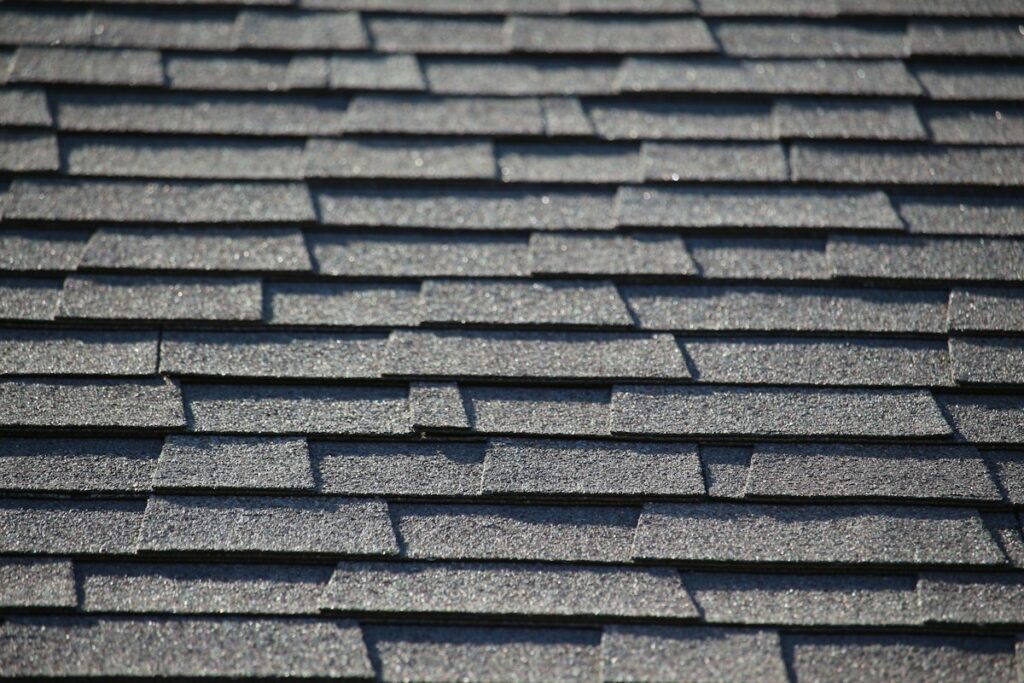
The honest answer was that it depended on two things they had not looked at yet: what the roof would say about the house on paper, and how much of the $16,900 a buyer would actually pay back.
What the roof was going to say on paper
Most sellers think of the roof as something a buyer’s inspector finds. In New York, the seller brings it up first. The Property Condition Disclosure Statement has its own roof question. It asks the type of roof covering, any known material defects, how old the roof is, and whether a transferable warranty is in effect[1]. The seller has to deliver that form to the buyer before the buyer signs a binding contract[1].
So this couple’s form was going to read “asphalt, 24 years, no warranty” before anyone climbed a ladder. Separately, the form asks about rot or water damage to the structure[1]. They could answer that one cleanly, because the attic sheathing was dry when the roofer looked. That mattered later.
The form also does not let a seller wait it out. If a seller learns something that makes an earlier answer materially inaccurate, the certification says they have to deliver a revised statement to the buyer as soon as practicable[1]. A roof that starts leaking in March, after the form is signed, does not stay private.
The age by itself is not a defect. Asphalt shingles can last about 25 years on average[5],. But a buyer reading “24 years” next to missing tabs does the math on their own, and they usually do it with the highest replacement number they have heard.
How much of the $16,900 would come back
The owners had read that a new roof “pays for itself.” The national numbers do not support that. In the 2025 Cost vs. Value data from the Journal of Light Construction, an asphalt shingle roof replacement averaged $31,871 in job cost and added an estimated $21,501 in resale value, so about 68 percent of the cost came back[2]. That project assumes a full tear-off to the sheathing and 30 squares of shingles with at least a 25-year warranty[2], which is a bigger roof than a Bellevue Cape.
Here is how the two roof types in that report lined up:
| Project (2025 national averages) | Job cost | Resale value added | Cost recouped |
|---|---|---|---|
| Roof replacement, asphalt shingles | $31,871 | $21,501 | 68% |
| Roof replacement, metal | $51,865 | $25,972 | 50% |
Source for the table: Journal of Light Construction, Cost vs. Value 2025[2].
Applied loosely to their quote, a 68 percent return on $16,900 is about $11,500 back and $5,400 that does not come back as price. That is the part most roofing ads leave out. A new roof is not an investment that grows. It is a cost that removes a question.
The other side of the ledger is what agents see from buyers. In the National Association of Realtors 2025 Remodeling Impact Report, 37 percent of Realtors said they recommend new roofing to sellers before listing, behind only painting the whole home and painting one room[3]. Forty-three percent said they had seen increased buyer demand for new roofing over the last two years[3]. Buyers have noticed roofs. They ask about them on the first showing.
The three options on the table in late October
Before deciding, we put the options side by side using their roofer’s numbers and what each one would put on the disclosure form. We also ran a quick home valuation against recent Bellevue sales, because the sale price was what everything else had to be measured against.
| Option | Upfront cost (their quote) | What the roof line on the form says | Likely buyer reaction |
|---|---|---|---|
| Replace now, before snow | $16,900 | Asphalt, under 1 year, transferable warranty | Roof drops off the negotiation list |
| Spot repair and disclose | $650 | Asphalt, 24 years, repaired 2026 | Credit request after inspection, size unknown |
| List as-is, price for the roof | $0 | Asphalt, 24 years, missing tabs | Lower offers, smaller buyer pool |
The spot repair looked cheapest, and for some houses it is the right call. If the roof is 15 years old and lost a few tabs in a windstorm, $650 and a receipt is a reasonable answer. At 24 years, it mostly changes the wording on the form. A buyer’s inspector would still write “near end of service life,” and the buyer would still ask for a credit sized to a full replacement.
Selling as-is is a real option too, and we walk through when it makes sense in our post on fixing up versus selling as-is. For this couple it did not fit. They did not need a fast sale, they had the cash, and they were not trying to attract investors.
“New York’s disclosure form asks how old the roof is and whether there’s a transferable warranty, and the buyer gets that form before signing a contract. So the roof decision gets made either way. The seller just picks whether it happens now or at the negotiating table.”[1]
Colin McDonald, Broker/Owner, McDonald Real Estate Company
Why the timing mattered more than the shingle color
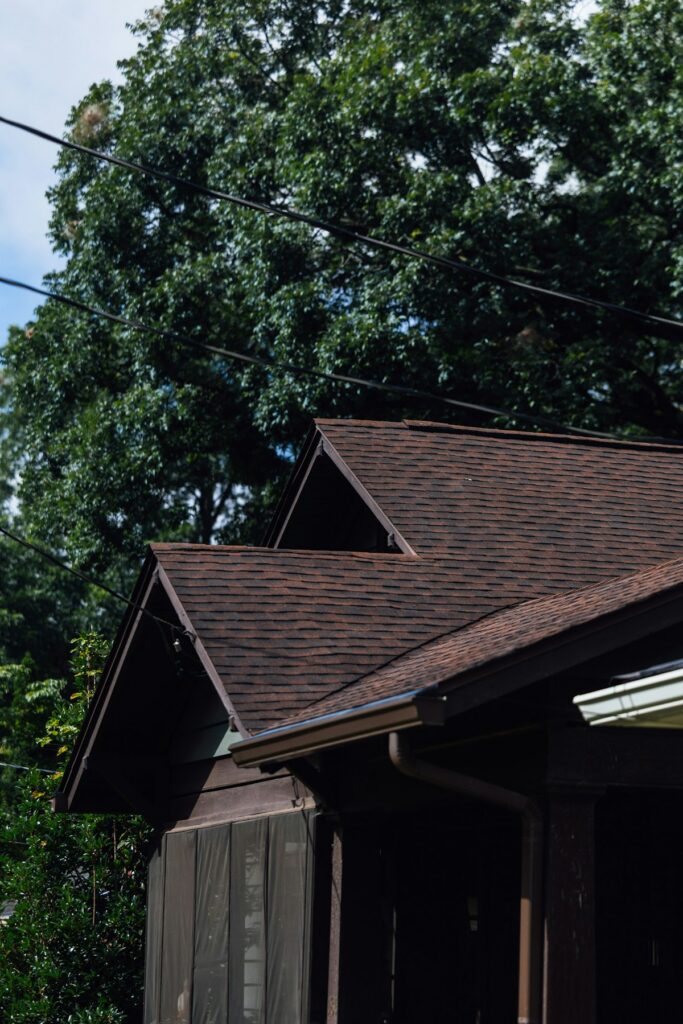
They chose to replace it. The next problem was the calendar. Their roofer could start the first week of November. Waiting until spring meant roofing in March or April, right when they wanted listing photos, and their roofer said his spring calendar was already filling.
A November roof is fine, but it is not installed the same way as a July roof. Owens Corning’s cold-weather bulletin says that when air and surface temperatures are at or below 40 degrees, shingles may not seal right away, because the sealant strip needs warmth to activate[4]. Cold-installed shingles can also take longer to lay flat[4]. The manufacturer recommends hand-sealing the shingles around the whole roof perimeter with four one-inch dabs of asphalt roof cement per shingle[4].
That turned into a line in the contract with the roofer: perimeter hand-sealing included, written on the invoice. It cost a little more labor. It also meant that if a buyer’s inspector in April noticed a few shingles that had not fully laid down yet, there was paperwork that explained why.
What sellers ask us at this point
The first question is almost always whether they can just give the buyer a credit instead. They can. A credit is a negotiation, though, and the number is set after the buyer’s inspection, when the seller has the least room. A replaced roof is a known cost set by the seller in October.
The second question is whether a new roof raises the asking price by what it cost. Based on the national Cost vs. Value numbers, usually not[2]. What it changes is the list of reasons a buyer gives for a lower offer. In our walk-away value estimate for this house, the roof showed up as a cost line, not as added equity.
The third is whether they need to tell the buyer about the old roof once it is gone. The form asks how old the current roof is and whether a transferable warranty exists[1]. With a new roof, the answers are short. The tear-off invoice and the warranty paperwork go in the listing file, and they get handed over with the disclosure.
The fourth is about metal. Some sellers wonder whether a metal roof would impress buyers more. In the 2025 Cost vs. Value data, metal cost more and returned a smaller share of its cost than asphalt[2]. For a house you are leaving in six months, that gap is hard to justify.
How the spring listing went
The house went on the market in April with the roof line on the disclosure reading “asphalt, 2026, transferable warranty.” The buyer’s inspector spent about five minutes on the roof and moved on to the 1950s electrical panel, which became the real negotiation. The roof never came up in the counteroffers.
The couple did not get $16,900 back in price. Comparable Capes nearby with older roofs sold for a few thousand less, which fits the national pattern. What they got was a negotiation about one system instead of two. They told us later they would make the same call again, but they would have started getting roofer quotes in September instead of late October.
It does not always go this way. If the roof had been 14 years old, or if they had needed to sell in December, the $650 repair and a fair price would have been the better plan. The home inspection guide we wrote for buyers shows how inspectors describe roofs at different ages, and it is useful to read it from the buyer’s side before you decide.
What to take from this house
A new roof rarely pays for itself at resale. Near the end of its life, an old roof tends to cost a seller something either way, in a credit, a lower offer, or a smaller pool of buyers. The useful questions are how old the roof is, what the disclosure form will say about it, and whether there is still time to have the work done properly before the weather turns. If you are thinking about selling a house in Schenectady, NY next spring and the roof is in its twenties, late fall is when that decision is still cheap to make.
If you want to see the full prep timeline before listing, our sellers guide is available here.
Sources
- Property Condition Disclosure Statement (DOS-1614-f, Rev. 02/25), New York State Department of State, Division of Licensing Services, 2025
- Cost vs. Value 2025: Roofing Replacement, Asphalt Shingles, Journal of Light Construction, 2025
- 2025 Remodeling Impact Report, National Association of Realtors Research Group and National Association of the Remodeling Industry, 2025
- Technical Bulletin: Cold Weather Shingle Installation (TB-10022497-A), Owens Corning Roofing
- Should You Replace Your Roof or Sell As-Is?, Redfin


