

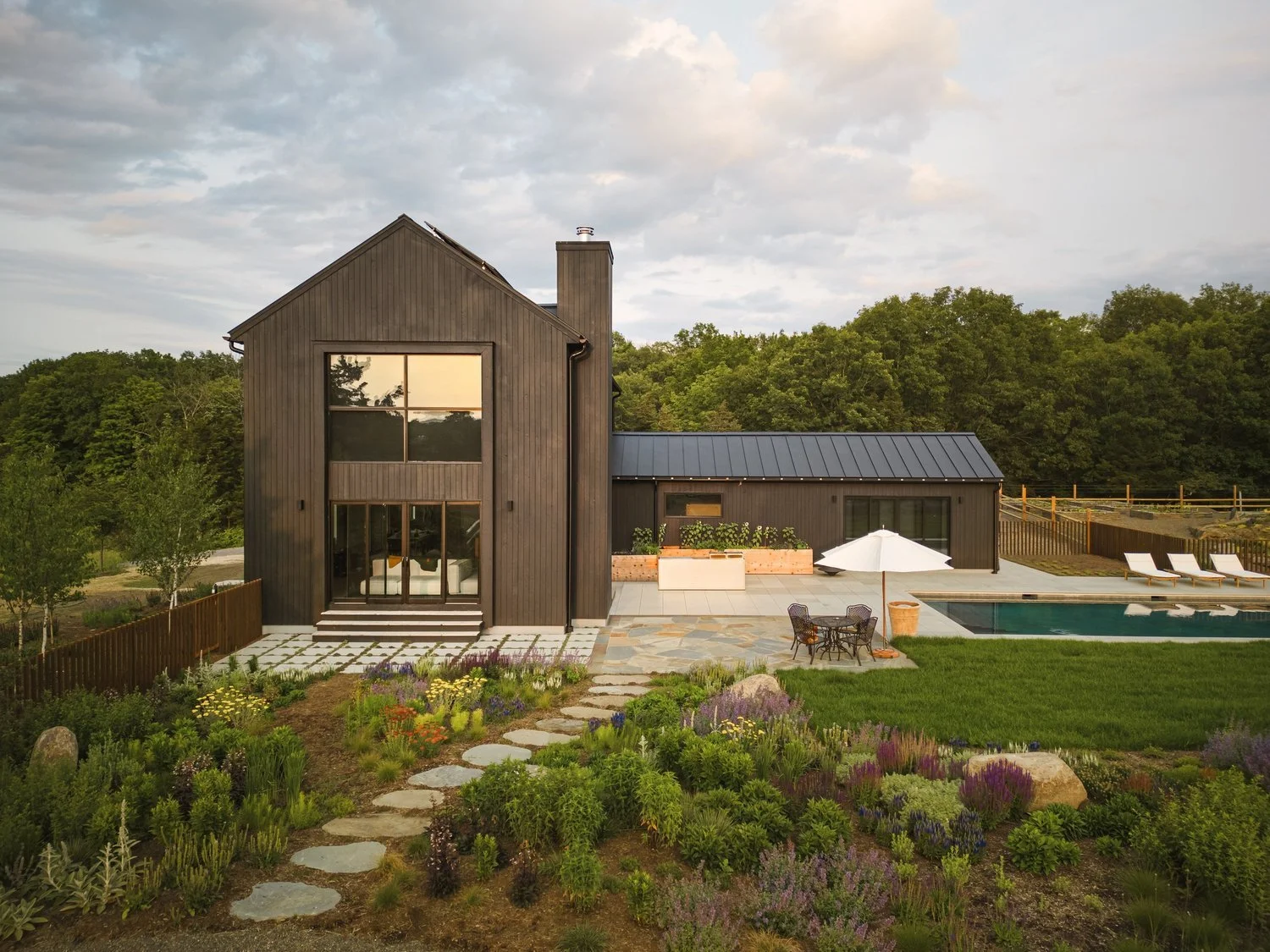
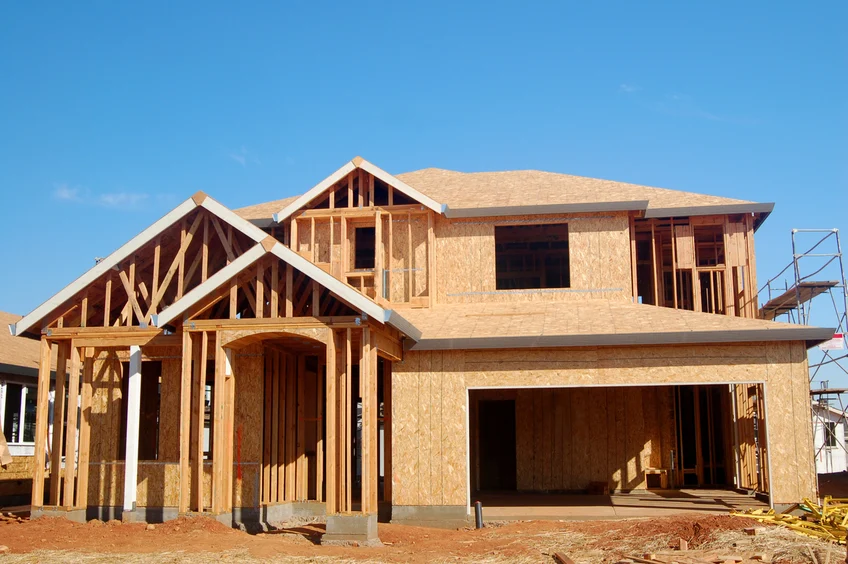
Building a Home in Upstate NY: A Guide from real estate agents albany ny
Imagining a custom home under big Upstate skies, with easy drives to the Adirondacks, Catskills, Saratoga, and the Capital Region? You aren’t alone. Building in Albany and Upstate New York has surged as buyers seek more land, flexible floor plans, and high-efficiency features tailored to our four-season lifestyle. The rewards can be extraordinary—if you plan it right.
This guide walks you through the major decisions and milestones: choosing land, navigating zoning, estimating costs, timing around the weather, selecting a builder, and keeping your long-term maintenance on track. It’s also designed to help you choose the right local partner—because a seasoned, on-the-ground advisor can save you time, money, and stress. If you’re considering a new build in the Capital Region, reach out to Colin McDonald, a trusted local expert who helps buyers move from dream to groundbreaking with confidence. And if you’re still weighing whether to build or buy, this guide on buying a home in Upstate NY offers helpful context for understanding how new construction compares to traditional resale options.
Why Building in Upstate NY Appeals to Buyers
Upstate New York offers a unique combination of outdoor living, community character, and property variety that’s hard to replicate elsewhere. Whether you’re targeting Albany County for its employers and transit, or nearby counties for acreage and scenic backdrops, a new build can be the perfect way to customize your lifestyle.
- Space and privacy: Larger lots and rural-suburban settings give you room to spread out—gardens, workshops, and accessory structures included.
- Energy efficiency: New construction can dramatically lower utility costs with high R-value insulation, tight building envelopes, and modern HVAC systems.
- Design control: Choose the floor plan, finishes, and features to match how you really live—multi-generational suites, home offices, or hobby spaces.
- Access to nature and culture: From skiing and hiking to festivals, farm-to-table dining, and the arts, Upstate NY offers four-season recreation and vibrant local scenes.
- Proximity to the Capital Region: Enjoy strong job markets, universities, hospitals, and transit while living in a quieter setting.
Benefits and Challenges Unique to the Region
Every market has its own quirks. Upstate NY’s climate, topography, and municipal frameworks can influence timelines and budgets. Here’s a quick overview to help you plan realistically.
| Benefits | Potential Challenges |
|---|---|
| More land options, from wooded parcels to open fields with views. | Septic and well requirements outside public utilities can add cost and time. |
| Ability to orient the home for passive solar and privacy. | Seasonal weather windows can affect ground-breaking and exterior work. |
| Local materials and trades with cold-climate expertise. | Soil, slope, wetlands, and drive access may require engineering solutions. |
| Strong community identities and school districts to choose from. | Differing town-by-town zoning, permits, and inspection schedules. |
Cost of Building vs. Buying in Upstate NY
Costs vary widely by land characteristics, home size, finishes, and market conditions. New builds may command a premium compared to existing homes, but they often deliver lower ongoing maintenance and utility costs. Think of it as balancing upfront investment with long-term value.
Typical Cost Components
| Category | What It Covers | Notes |
|---|---|---|
| Land | Purchase price, closing costs | Check utilities, access, and deed restrictions before you buy. |
| Sitework | Clearing, grading, foundation excavation, driveway, utilities, septic/well | Soils and slope can materially change this line item. |
| Structure & Systems | Framing, roofing, siding, windows, insulation, plumbing, electrical, HVAC | Energy upgrades add cost but reduce lifetime operating expenses. |
| Interior Finishes | Cabinetry, counters, flooring, tile, lighting, paint | Specs and allowances matter; price ranges vary significantly. |
| Soft Costs | Design, engineering, permits, surveys, septic design, inspections | Town-by-town differences; plan for contingencies. |
| Contingency | Typically 5–10%+ of total budget | Protects against unknowns and material price fluctuations. |
Example Budget Scenarios (Illustrative)
These ranges are examples for planning discussions; actual bids depend on land, plans, and specifications.
| Home Size | Sitework Range | Build Range | Soft Costs | Estimated Total (excl. land) |
|---|---|---|---|---|
| 1,800 sq ft | $40,000–$90,000 | $300,000–$480,000 | $20,000–$40,000 | $360,000–$610,000 |
| 2,400 sq ft | $50,000–$110,000 | $400,000–$650,000 | $25,000–$50,000 | $475,000–$810,000 |
Financing: Many owners use construction-to-permanent loans, which convert to a standard mortgage after completion. Factor in interest during construction, draw schedules, and potential rate-lock strategies with your lender. Consult financial and tax professionals for advice.
Hidden Costs to Expect
- Long driveways, culverts, and tree removal
- Upgraded septic systems for soils or bedroom count
- Well depth variability and water treatment
- Rock excavation in hilly/ledge areas
- Change orders for design tweaks mid-build
- Utility hookup fees and transformer upgrades
Navigating Zoning, Land Selection, and Permits
Zoning sets what you can build and where. You’ll want clarity on setbacks, maximum height, accessory structures, and any overlay districts (e.g., wetlands or floodplains). Before you fall in love with a parcel, confirm the fundamentals with the town building department and your surveyor/engineer.
Land Due Diligence Checklist
| Item | What to Verify | Why It Matters |
|---|---|---|
| Zoning & Setbacks | Use type, minimum lot size, setbacks, height | Ensures your plan fits by-right or flags need for variances. |
| Access & Road Frontage | Legal access, driveway permits, sight lines | Safety, approvals, and plowing considerations. |
| Utilities | Electric, gas/propane, fiber, well, septic | Impacts cost, comfort, and timeline. |
| Environmental | Wetlands, flood maps, DEC considerations | May require setbacks, mitigation, or redesign. |
| Topography & Soils | Bearing capacity, ledge, drainage patterns | Determines foundation design and sitework costs. |
| Deed Restrictions & Easements | HOA rules, right-of-ways, covenants | Affects home size, style, and future use. |
Experienced real estate agents albany ny will flag deed restrictions, lot-line confusion, shared-drive agreements, or HOA rules early—saving you from surprises after you’re already under contract.
Septic, Well, and Utility Access
- Septic: A percolation test and engineered design confirm the right system for your soils and bedroom count.
- Well: Drilling depth and flow rates vary; budget for potential water treatment.
- Electric and Communications: Check service distance, poles, and whether fiber internet is available.
Permits and Inspections
Most towns require building permits, site plans, and scheduled inspections (footings, framing, insulation, final, etc.). Some projects may involve planning board review. Build your timeline with approvals in mind and keep communication open with inspectors.
| Step | Typical Duration | Notes |
|---|---|---|
| Offer & Land Contract | 2–4 weeks | Include due diligence contingencies. |
| Survey & Soil/Perk Tests | 2–6 weeks | Dependent on weather and scheduling. |
| Design & Engineering | 4–10 weeks | Iterative process with builder and engineer. |
| Permit Review | 2–8+ weeks | Varies by town and complexity. |
For a deeper dive into how property taxes may affect your decision and budget post-build, bookmark: Upstate NY Property Taxes Demystified: A Homeowner’s Guide.
Weather and Seasonal Construction Realities
Cold winters and wet shoulder seasons shape construction schedules. Good builders know how to sequence tasks, use winter additives for concrete when appropriate, and protect materials. Still, planning your critical path around the seasons is smart.
Seasonal Calendar (Typical)
| Season | Best For | Considerations |
|---|---|---|
| Winter (Dec–Feb) | Design, permitting, interior finishes, framing with weather protections | Heat, tenting, and additives may add cost; shorter daylight. |
| Spring (Mar–May) | Sitework, foundations, framing | Thaw/mud seasons can impact heavy equipment access. |
| Summer (Jun–Aug) | Roofing, siding, rough-ins, insulation | Peak trade schedules; plan early for busy months. |
| Fall (Sep–Nov) | Dry-in, interior finishes, exterior hardscapes | Push to close the building envelope before freeze. |
Build in weather slack: Even with best practices, a string of rain or a deep freeze can force rescheduling. A 5–10% time contingency is common on Upstate NY builds.
Selecting the Right Contractor and Team
Your builder and professional team (architect, engineer, surveyor, inspector) make or break your experience. Solicit multiple bids with identical spec sheets so you’re comparing apples-to-apples. Vet thoroughly.
Contract Types at a Glance
| Type | How It Works | Pros | Cons |
|---|---|---|---|
| Fixed-Price | Set price for scope defined in plans/specs | Predictable; risk on builder | Change orders add cost; may include higher contingency in price |
| Cost-Plus | Actual costs + builder fee | Transparent; flexible | Budget risk on owner; requires diligent oversight |
Vetting Checklist
- Portfolio of similar homes (size, style, energy standards)
- References you can call—and ideally visit
- License, insurance, and warranty terms
- Detailed inclusions/exclusions and product brands
- Clear draw schedule tied to milestones
- Communication cadence (weekly updates, site meetings)
How real estate agents albany ny Simplify Your Build
Building a home involves dozens of decisions. The right local partner brings land intelligence, builder relationships, and negotiation skills to the table.
- Land scouting: Identify parcels that truly fit your budget, topography, utilities, and commute.
- Due diligence backup: Coordinate surveys, perc tests, and utility confirmations before you’re locked in.
- Local team referrals: Architects, engineers, and reputable builders with relevant experience.
- Comps and resale lens: Align design decisions with neighborhood norms and future buyer demand.
- Negotiations: Secure favorable contract terms, contingencies, and timelines.
- Project advocacy: Help keep planning, permitting, and draws on track.
Long-Term Maintenance Planning for New Homes
New homes aren’t maintenance-free—especially in a four-season climate. Good planning protects value and comfort while controlling costs.
Annual Maintenance Matrix (Starter List)
| Season | Tasks | Why |
|---|---|---|
| Spring | Gutter cleaning, foundation inspection, HVAC service | Prevent water intrusion; prep for cooling season. |
| Summer | Deck/seal checks, exterior caulking, grading touch-ups | Protect envelope; manage storm runoff. |
| Fall | Furnace tune-up, chimney sweep, heat tape where needed | Prepare for freeze; prevent ice dams. |
| Winter | Ice dam monitoring, snow load checks, humidity control | Protect roof structure and interior finishes. |
For an in-depth seasonal checklist tailored to our climate, save this resource: Year-Round Home Maintenance Checklist for Upstate NY Owners.
Financing, Incentives, and Property Taxes
Construction-to-permanent loans, interest-only during build, and draw inspections are common. Some energy-efficient features may be eligible for incentives or rebates; consult your lender and utility providers. For property taxes, understand how assessments work post-construction, and what exemptions may apply.
- Assessment timing: New construction assessments may adjust after certificate of occupancy.
- Local exemptions: STAR and other programs can impact annual costs.
- Closing and escrow: Plan for tax escrows and interim bills.
Get oriented with this overview: Upstate NY Property Taxes Demystified.
Market Snapshot: Build vs. Buy Trends (Illustrative)
The appetite for new construction ebbs and flows with existing inventory, rates, and material costs. Below is a simplified, illustrative trend line for concept only—consult current local data for precise figures.
Albany Metro New Construction Permits (2019–2024, illustrative)

Permits
  700 |                           *
  600 |                     *     |
  500 |               *     |     *
  400 |         *     |     *
  300 |   *     |     *
      +----------------------------------
         2019  2020  2021  2022  2023  2024
Note: Conceptual trajectory showing pandemic-era uptick and normalization.
Why this matters: Permit volume affects builder availability, pricing, and timelines. If your window is tight, reserve your builder early and lock key materials ahead of time.
Infographic-Style Roadmap: From Idea to Move-In
- Define goals: Budget, commute, school district, acreage, style.
- Assemble team: Architect/plan, builder, lender, surveyor/engineer.
- Land search and due diligence: Utilities, soils, access, zoning.
- Design and specs: Energy targets, allowances, exterior materials.
- Permits and approvals: Applications, reviews, inspections.
- Ground-breaking: Sitework, foundation, framing, dry-in.
- Rough-ins: Mechanical, electrical, plumbing; inspections.
- Finishes: Insulation, drywall, trim, cabinets, flooring, paint.
- Finals and CO: Punch list, commissioning, certificate of occupancy.
- Move-in and maintenance: Warranties, seasonal care, tune-ups.
Working with Pros: Contracts, Communication, and Changes
Clarity up front reduces friction later. Document everything:
- Specifications book: Product brands, model numbers, finish codes.
- Allowance schedule: Cabinets, counters, lighting, tile, flooring.
- Change order policy: Approval flow, pricing method, and timing.
- Schedule and draws: Milestones with clear payment triggers.
- Quality control: Site walk cadence and punch-list standards.
When questions or delays arise—as they do on every build—transparent, scheduled communication keeps momentum and trust intact.
How Partnering Locally Protects Value
Albany-area micro-markets vary by street and school line. Design choices that resonate in one neighborhood might miss in another. Tapping into the neighborhood-level insights of real estate agents albany ny helps calibrate square footage, finishes, and outdoor amenities to maximize long-term equity.
FAQs: Building a Home in Upstate NY
How long does a typical build take?
From land contract to move-in, many projects run 10–16 months depending on design time, permits, weather, and builder capacity. Straightforward builds on easy sites can be faster; complex custom work can extend longer.
Can I build in winter?
Yes, with planning. Builders can pour in cold weather and frame through winter using additives, temporary heat, and protection. Costs may rise for these measures, and some sitework may wait for thaw.
What’s the best lot orientation?
South-facing orientations often support passive solar gains and enjoyable outdoor living. Consider views, prevailing winds, snow drifting, driveway slope, and future additions (like a garage or barn).
Should I buy land before hiring a builder?
It’s better to assemble your team early. A builder and engineer can walk the parcel, estimate sitework, and spot risks—informing your offer price and contingencies.
How do allowances work?
Allowances are budget placeholders for finishes you’ll choose later. If actual selections exceed the allowance, you pay the difference; if they’re lower, you save. Request realistic allowances that suit your taste level.
What energy upgrades deliver the best ROI?
Air sealing, insulation, high-performance windows, and right-sized HVAC typically deliver strong returns. Consider ERVs/HRVs for ventilation and envelope health, plus heat-pump water heaters.
What warranty comes with a new build?
Ask about builder warranties on workmanship (often 1 year), systems (often 2 years), and structural elements (often 10 years). Confirm manufacturer warranties for major components.
How can I prevent overages?
Use detailed plans/specs, hold design meetings before breaking ground, and track changes in writing. Keep a 5–10% contingency. Early ordering of long-lead items also helps.
Next Steps Toward Your Upstate NY New Build
Ready to transform your vision into a blueprint? Start with a land and feasibility consult, a builder shortlist, and a realistic timeline. Local expertise pays for itself many times over—especially when it comes to reading lots, navigating approvals, and setting the right budget cadence. To begin, connect with seasoned real estate agents albany ny who can align your goals with the right parcels, pros, and process.
Conclusion
Building in Upstate NY offers a rare opportunity to craft a life you love—on land that reflects your priorities and with a home that performs in our four-season climate. With clear budgets, local due diligence, a vetted team, and a schedule tuned to the weather, your project can move from concept to closing smoothly. For step-by-step guidance—from land search and zoning checks to builder selection and finishes—lean on a local who does this every day. Start your conversation with Colin McDonald and take your first confident step toward breaking ground.
If you’re weighing this on your own timeline, our buying your first home in Albany, NY page is where the conversation usually starts.
More on Buying Your First Home from McDonald Real Estate


